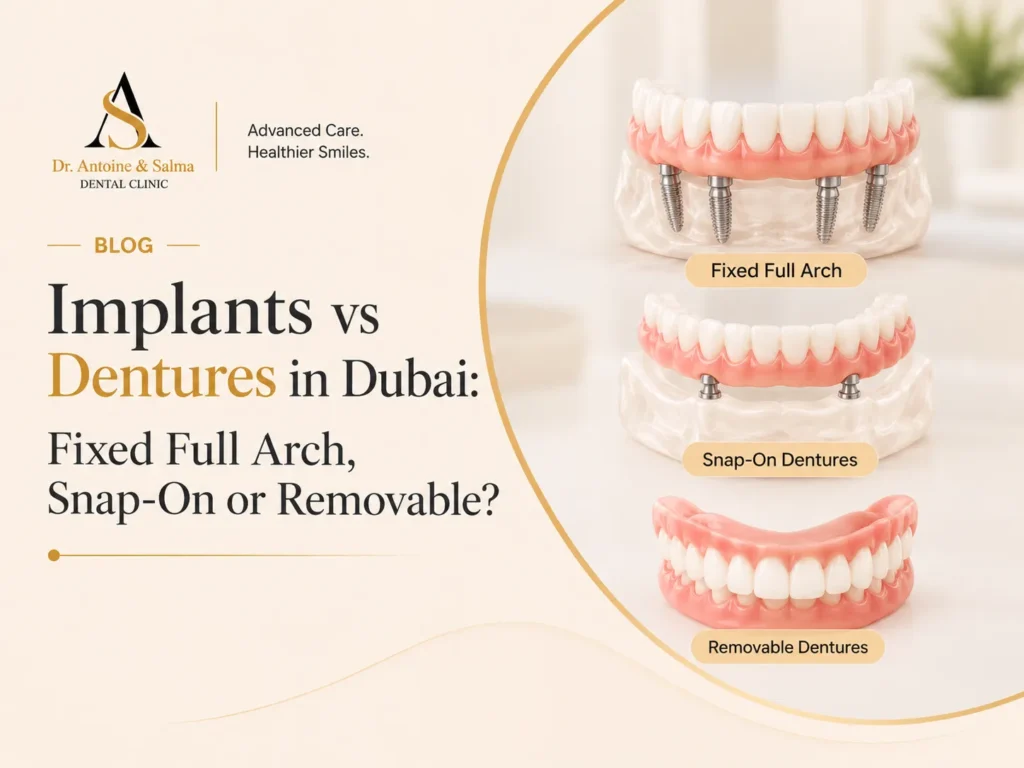
Full arch implants vs dentures comes down to stability. Fixed implants anchor a bridge to your jawbone, while conventional dentures rest on the gums and usually need adhesive and relining over time. Snap-on dentures sit between the two: removable, but held by implants.
Below, we compare all three options on chewing, bone health, comfort, upkeep, and cost in Dubai.
Full Arch Implants vs Dentures: A Comparison
Full arch implants use four to six implants per jaw to hold a fixed bridge that stays in your mouth. Conventional dentures are removable and rest on the gums. Snap-on dentures are removable but clip onto two to four implants. Each option differs in stability, bone impact, upkeep, and cost.
The Three Options in Plain Terms
- Conventional removable dentures: An acrylic base and teeth held by suction, the gums, and often adhesive. They cover the palate in the upper jaw.
- Snap-on dentures (implant-retained overdentures): A removable denture that clicks onto locator or bar attachments on implants. You take it out at night to clean it.
- Fixed full arch implants: A bridge screwed onto implants, such as All-on-4, All-on-6, or All-on-X. Only your dentist removes it.
Full Arch Implants vs Dentures: An Insight
| Feature | Conventional Dentures | Snap-On Dentures | Fixed Full Arch Implants |
| Implants needed | None | 2 to 4 per jaw | 4 to 6 per jaw |
| Removable at home | Yes | Yes | No |
| Stability | Lowest | Moderate to high | Highest |
| Palate coverage (upper) | Usually yes | Often yes | Usually no |
| Bone stimulation | None | Partial | Yes, at implant sites |
| Daily upkeep | Soak, brush, adhesive | Remove, clean, replace attachments | Brush, floss, water flosser |
| Upfront cost | Lowest | Moderate | Highest |
Chewing, Speech and Comfort
Chewing is where the gap shows most. Evidence suggests that removable dentures restore only a fraction of natural bite force, because they move under pressure. Implant-supported options transfer force to the jawbone, which typically allows firmer foods and steadier speech.
Common complaints with conventional dentures include:
- Sore spots where the base rubs the gums
- Slipping while eating or speaking
- Reduced taste when the upper palate is covered
- Frequent need for denture adhesive
- Relining or remaking as the jaw changes shape
Snap-on dentures reduce slipping, but they still rest partly on the gums. Fixed bridges have no palate coverage in most upper-jaw designs, so many patients notice speech and taste feel closer to natural.
What Happens to Your Jawbone?
When teeth are lost, the jawbone that held them begins to shrink. This is called bone resorption. Most of the change tends to occur in the first year after extraction. Over time, shrinking bone can alter how the lower face looks and make dentures fit loosely.
Conventional dentures do not stimulate the bone. Implants do, at the points where they fuse with the jaw (osseointegration). This is why many surgeons favor implant-based options for patients who want to protect remaining bone.
Implants do not stop all bone change, and results vary with oral hygiene, gum health, and habits such as smoking. A CBCT scan shows how much bone you have today, which guides the choice. If volume is low, bone grafting may be considered before or alongside implant placement.
All-on-4 vs Dentures and Snap-On Dentures vs All-on-4
All-on-4 vs Dentures
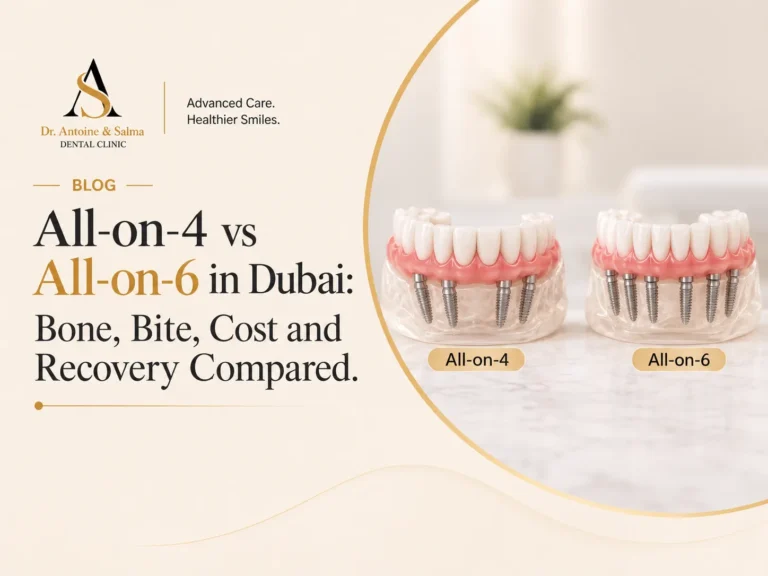
All-on-4 dental implants replace a full arch with a fixed hybrid bridge on four implants, two of them often tilted to use available bone. Compared with removable dentures, the bridge does not shift, does not need adhesive, and is not taken out for cleaning. The trade-off is a higher upfront cost and a surgical procedure.
Snap-On Dentures vs All-on-4
Snap-on dentures cost less than fixed bridges because they use fewer implants. They also suit patients who prefer to remove their teeth at night. All-on-4 offers a firmer bite and no removal step, but it needs enough bone in the front of the jaw and a consultation to confirm candidacy.
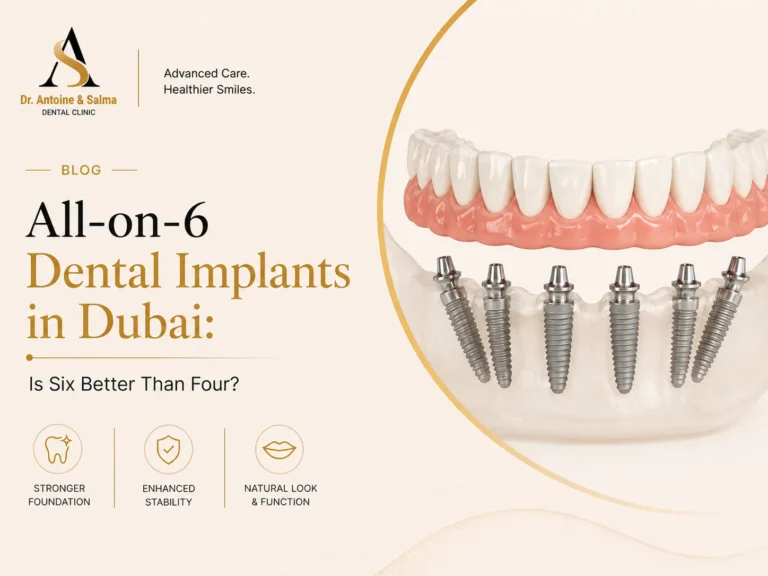
Patients with strong bite force or heavy grinding (bruxism) may need more support than four implants give. In those cases, All-on-6 dental implants may be a better fit.
Implant-Supported Dentures vs Fixed Bridge
An implant-supported denture clips or bolts to implants and can be removed. A fixed bridge is screwed in and stays. Fixed bridges are typically made from zirconia or acrylic on a titanium frame. Zirconia is harder and resists staining, while acrylic is lighter and easier to repair.
Cost in Dubai: Upfront vs Lifetime
Dentures cost the least at the start, and fixed full arch implants cost the most. Over many years the gap may narrow, because dentures need relining, repairs, adhesive, and replacement, while a fixed bridge needs scheduled maintenance. Pricing in Dubai is quoted per arch in AED and differs between clinics.
Ask for an itemized estimate that shows each of these:
- Number and brand of implants (for example, Straumann)
- Bridge material: zirconia or acrylic
- Extractions, bone grafts, or sinus work
- Provisional teeth during healing
- Follow-up and maintenance visits
Lifetime Cost Factors
| Cost Item | Conventional Dentures | Snap-On Dentures | Fixed Full Arch Implants |
| Initial treatment | Lowest | Moderate | Highest |
| Relining or remaking | Recurring | Occasional | Rare |
| Attachment parts | None | Replaced periodically | None |
| Adhesive and cleaners | Ongoing | Minimal | Water flosser, brushes |
| Maintenance visits | Fit checks | Attachment checks | Hygiene and bridge checks |
Many Dubai clinics, including A&S Dental Clinic, accept Tabby and Tamara for payment plans. Direct insurance billing is not offered, but our team provides documents to support reimbursement claims with your insurer. Coverage differs by policy, so check yours first.
Who Is a Candidate for Each Option?
No single option fits everyone. Your age, health, bone, budget, and goals decide the plan.
- Conventional dentures may suit patients who cannot have surgery, want the lowest upfront cost, or need a temporary solution during healing.
- Snap-on dentures may suit patients with a loose lower denture, moderate budgets, and a preference for removable teeth.
- Fixed full arch implants may suit patients with failing teeth or full tooth loss who want a non-removable bridge and have enough bone or can have it rebuilt.
Conditions such as uncontrolled diabetes, heavy smoking, and gum disease can raise implant risk. Your surgeon reviews these during planning.
When teeth are failing, extractions and implant placement can sometimes be combined through same-day implants, depending on bone quality and stability.
How the Full Arch Process Works
The full arch process typically takes four stages: consultation with a CBCT scan, surgical planning, implant placement with a provisional bridge, and a final bridge after healing. Each stage depends on bone quality and implant stability, so timelines vary between patients.
- Consultation and CBCT scan: The surgeon checks bone, bite, and gum health.
- Digital planning: 3D guided implant planning maps implant positions before surgery.
- Surgery: Implants are placed, with extractions if needed.
- Provisional bridge: Many patients receive fixed temporary teeth the same day, depending on stability.
- Healing: Osseointegration usually takes about three to six months.
- Final bridge: A zirconia or acrylic bridge is fitted and adjusted.
Dentures follow a shorter path. Impressions, try-ins, and fitting often take a few weeks, though immediate dentures can be placed after extractions and adjusted as the gums heal.
Daily Care and Maintenance
Fixed bridges are not removed at home, so cleaning must reach the gum line and under the bridge. A water flosser, interdental brushes, and regular hygiene visits help lower the risk of peri-implantitis, an infection that can cause bone loss around implants.
Dentures need a different routine: daily brushing, overnight soaking, and periodic relining as the gums change. Snap-on dentures also need new attachment inserts from time to time.
Whichever option you choose, regular checkups help catch worn bridges, loose attachments, and gum changes early. Your dentist can also repair or replace worn crowns and bridges on remaining natural teeth.
Risks and Limits to Know
Every option has trade-offs. Being clear about them supports a better decision.
- Implants: Surgery carries risks such as infection, implant failure, and nerve irritation. Failure is uncommon but possible, and revision may be needed.
- Fixed bridges: Acrylic can chip or wear, and zirconia can fracture under heavy force. A night guard may be advised.
- Dentures: Fit changes as bone shrinks, which can affect comfort and bite.
- Snap-on dentures: Attachments wear and need replacement.
No clinic can promise a result. Expect a written plan with risks, alternatives, and an itemized estimate.
How to Choose a Dentist for Full Arch Treatment in Dubai
Look for a team that treats full arch cases routinely and plans in 3D. These questions help:
- Who places the implants and who makes the bridge?
- Is a CBCT scan included in the assessment?
- What implant brand is used, and is a warranty documented?
- Is the treating clinician DHA licensed?
- What follow-up and maintenance does the quote include?
A clinic that handles surgery, restoration, and aftercare under one roof usually makes the process easier to follow. Our guide to full arch dental implants explains how we plan each case, and our overview of dental implants in Dubai covers the wider range of treatment.
Ready to Replace Dentures or Failing Teeth With a Fixed Smile?
If loose dentures, sore gums, or failing teeth are holding you back at the dinner table, A&S Dental Clinic can help you explore a fixed alternative. Our oral and maxillofacial surgeon plans every full arch case with CBCT imaging and digital guides, then works with our in-house team from the first scan to your final bridge. You get a clear written plan, an itemized estimate, and flexible payment options through Tabby and Tamara.
Visit our Dental Clinic in Dubai or call +971 56 648 1481 today to book your full arch consultation and 3D scan.
Conclusion
Dentures, snap-on dentures, and fixed full arch implants each have a place. Dentures cost less upfront. Snap-on dentures add stability at a moderate price. Fixed implants offer the firmest bite and may help protect bone, with the highest initial investment. Your CBCT scan, bite, health, and budget decide the right fit. Book a consultation, compare itemized plans, and choose with confidence.
Frequently Asked Questions:
What is the difference between full arch implants and dentures?
Full arch implants fix a bridge to four to six implants in your jaw and stay in place. Dentures are removable and rest on the gums. Implants usually give firmer chewing and stimulate bone, while dentures cost less upfront.
Are snap-on dentures better than All-on-4?
Not always. Snap-on dentures cost less and can be removed for cleaning, but they still rest partly on the gums. All-on-4 is fixed and gives a firmer bite. The right choice depends on your bone, budget, and preferences.
How much do implants vs dentures cost in Dubai?
Both are priced per arch in AED. Dentures cost the least upfront and fixed implants the most, with snap-on dentures in between. Brand, bridge material, and grafting change the quote. Ask for an itemized estimate after your scan.
Do dentures cause jawbone loss?
Dentures do not stimulate the jawbone, so bone shrinkage after tooth loss usually continues. This can loosen the fit over time. Implants stimulate bone at the implant sites, which may slow the change in those areas.
Can I get full arch implants if I already wear dentures?
Often yes. A CBCT scan checks your remaining bone. If volume is low, bone grafting or a sinus lift may be considered first. Your surgeon explains the options and timing after the scan.
Can I pay for full arch implants in installments?
Many Dubai clinics offer payment plans through Tabby and Tamara. A&S Dental Clinic accepts both. Insurance is not billed directly, but we provide documents to support reimbursement claims. Coverage depends on your policy.